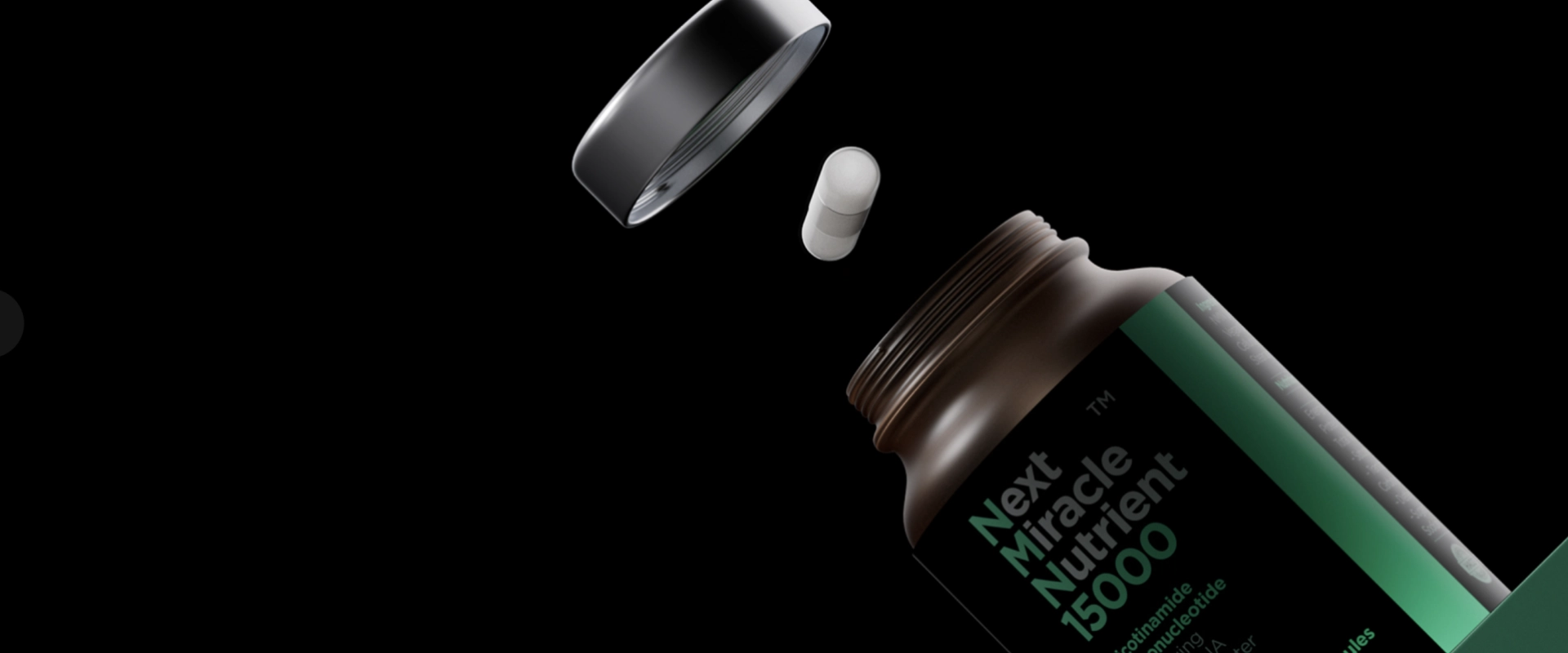
In today's health-conscious world, choosing food or everyday items goes beyond just checking nutrition labels and expiration dates. Many people have started looking for a small symbol on plastic packaging that reads "BPA Free," leading to the popular question: what exactly is BPA Free? And why is it so important to our daily lives, especially when it comes to food containers, water bottles, and even baby products?
Let's dive into what BPA is, its hidden dangers, and how to avoid it, as well as how to safely choose plastic packaging to keep you and your loved ones free from chemical residues. We'll also recommend reliable packaging manufacturers for business owners.
BPA stands for Bisphenol A, a synthetic chemical that has been widely used in the plastics industry since the 1950s. It is commonly used as a key ingredient in the production of polycarbonate plastics, which are clear and durable. Additionally, it is used to manufacture epoxy resins that coat the inner linings of food and beverage cans to prevent the metal from reacting with the food.
Many people might wonder: if this chemical poses a risk, why was it so widely used in the past? The main reasons manufacturers commonly use BPA in packaging include :
As medical science advanced and more research became available, we discovered that BPA is not 100% safe. This has led to a new standard in the manufacturing industry: producing packaging that is free from this chemical.
BPA-free plastic refers to packaging or plastic products that are manufactured "without using Bisphenol A." This gives consumers peace of mind that when these containers are used for food, drinking water, or heated, no BPA chemicals will leach out and enter the body.
Typically, safe products are clearly stamped or printed with the words "BPA-Free" or "0% BPA" on the bottom of the container or on the product label.
If you ask what is so good about BPA-Free, the clearest answer is "long-term health safety." Switching to products labeled as BPA-Free has the following benefits
To provide a clearer picture, let's take a look at the comparison between these two types of plastics.
The scary part about BPA is that it can easily leach out of the plastic and into our food or water. This happens especially when the plastic is exposed to heat (like microwaving or boiling), interacts with acidic or alkaline foods, or when it gets old and scratched.
When BPA gets into the body, it behaves as an endocrine disruptor. It mimics estrogen, the female sex hormone, causing the body's natural systems and functions to go out of balance.
High levels of BPA accumulation or long-term continuous exposure may result in the following side effects and serious diseases.
While the label might say 'BPA-Free,' as savvy consumers, we need to know a few more essential facts for the safest possible use.
Although it might be hard to avoid BPA 100% in today's world, we can minimize our exposure and risks by following these tips
From the information provided, it should now be clear what "BPA-Free" means and why it is crucial to our health. BPA, or Bisphenol A, is a hazardous chemical that can disrupt the hormonal system and lead to various serious diseases. Being mindful and opting for BPA-free plastic packaging is an essential first step in protecting your health and the health of your family.
For entrepreneurs and brand owners, selecting high-quality, safe, and standardized packaging is not merely a responsibility towards consumers, but it also significantly enhances and strengthens your brand's positive image.
If you are an entrepreneur looking for a manufacturer and distributor of PVC plastic products or packaging that prioritizes quality, safety, and industry standards, Saha P.V.C. (1980) Co., Ltd. is ready to serve you with our extensive experience. Specializing in all types of plastics and PVC, you can trust our meticulous manufacturing process at every step. We are dedicated to delivering the best products that are safe for consumers and perfectly answer your business needs
Looking for stylish shampoo bottles or hotel amenities? Discover top tips for choosing durable empty shampoo bottles, along with recommendations for wholesale manufacturers offering great value to elevate your brand.
How to Choose the Perfect Supplement Packaging: Food-Grade Plastic Guide! Compare Cylindrical vs. Clear Jars to Find Your Brand’s Best Match.
Why Amber PET is #1 for Pharmaceuticals & Herbs: Superior UV Blocking, Lightweight, and Better Value Than Glass.
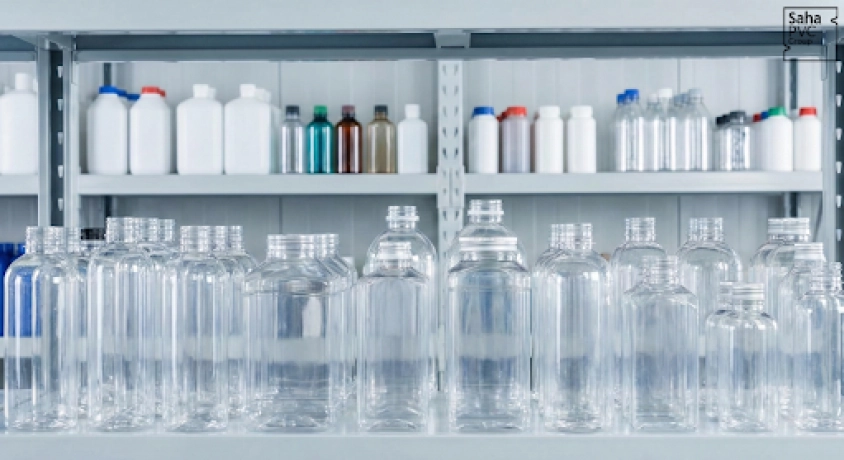
4 Most Popular Plastic Bottles and How to Choose a Certified PET Factory: Click to Upgrade Your Brand!
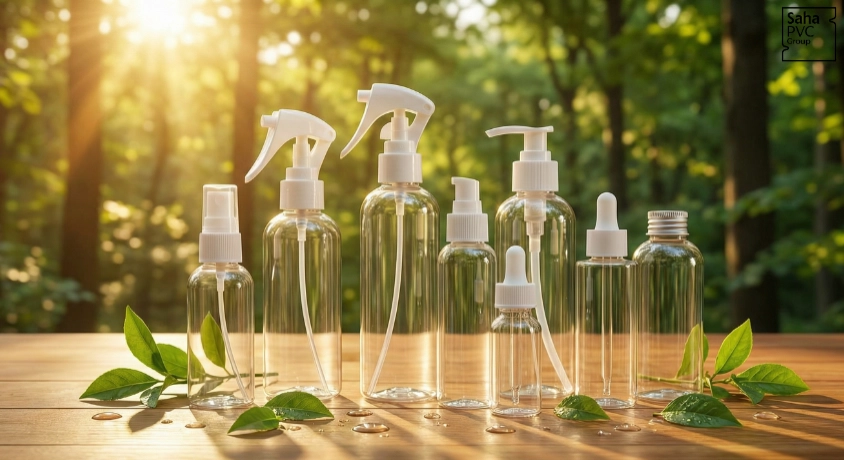
Eco-Friendly Packaging: A New Option for Businesses in the Green Economy, with Tips on Choosing Environmentally Friendly Plastic Bottles to Elevate Your Brand Sustainably
_3.webp)
How Much Heat Can PET Bottles Really Withstand? An In-Depth Look at Temperature Limits: Standard PET (60-70°C) vs. Hot-Fill PET (Up to 95°C) for Safe Packaging Selection.
.webp)
What is the difference between PP and PE plastic? PP is heat-resistant, while PE is flexible. Discover the differences between plastics No. 2, 4, and 5, and answer questions about whether or not PET Hot-Fill bottles can actually withstand heat.
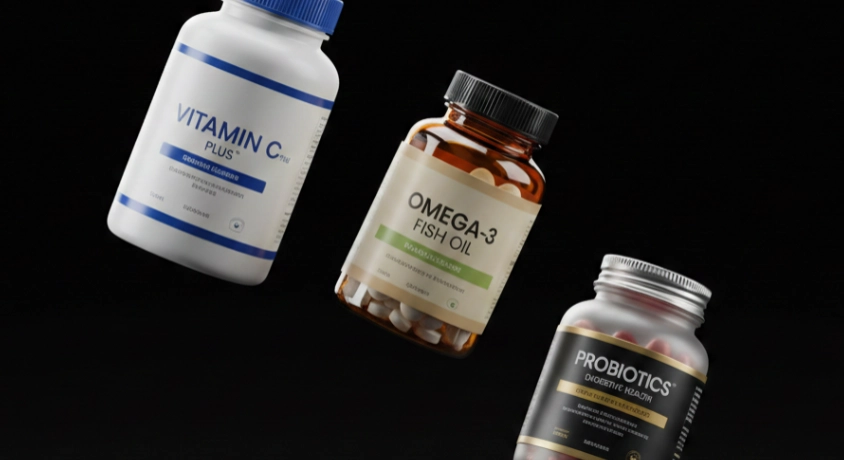
High-Quality Plastic Bottle Packaging from Saha PVC (1980) The No.1 Plastic Bottle Manufacturer and Leading Factory for Wholesale Plastic Packaging and Supplement Jars


SAHA P.V.C.(1980) COMPANY LIMITED.
Manufacturing Leader of Plastic Packaging
for pharmaceuticals that provides quality services
and standardized production systems to our customers.

