How Heat-Resistant Are PET Bottles? Clearing Up Safety Concerns and Reuse at Different Temperatures
PET plastic bottles (Polyethylene Terephthalate), also known as Plastic Resin Code #1, are among the most familiar and widely used packaging materials in everyday life—especially for drinking water and carbonated beverages. However, when it comes to heat and safety, many people still have important questions: Are PET bottles really heat-resistant? And how much heat can PET bottles actually withstand?
This article explores the facts behind PET plastic and its temperature limits, helping you choose packaging that is safe and suitable for your product.
PET is popular for its excellent properties, including crystal-like clarity, lightweight structure, strength, and strong gas barrier performance (ideal for carbonated drinks). However, misconceptions about its heat resistance often cause confusion. To answer the question of how heat-resistant PET bottles truly are, it is essential to distinguish between standard PET and specialized Hot-Fill PET.
The PET bottles commonly found on the market are known as Amorphous PET. This type has not undergone special structural modification to improve heat resistance, which results in clear temperature limitations.
Temperature sensitivity: Standard PET has a relatively low heat tolerance. It begins to soften, warp, and deform at temperatures around 60-70°C, which can easily occur in daily life—for example, when pouring very hot water into a bottle or leaving it inside a car parked under direct sunlight.
What happens at high temperatures: When PET is exposed to heat beyond its limit, the polymer structure relaxes, causing shrinkage and distortion. This is why ordinary PET water bottles are not suitable for filling with hot beverages.
Concerns about chemical leaching when PET bottles are exposed to heat are often misunderstood and sometimes linked to fears of carcinogenic substances. In reality, the U.S. Food and Drug Administration (FDA) confirms that PET is safe for food and beverage packaging when used within appropriate temperature ranges.
When PET bottles deform due to excessive heat, the primary issues are appearance and package integrity, not the release of toxic chemicals at levels dangerous to human health.
To overcome the heat limitations of standard PET, the packaging industry has developed Hot-Fill PET, designed specifically for products that require hot filling or pasteurization.
Hot-Fill PET—also known as Heat-Set PET—is produced through a controlled heat-setting process. During manufacturing, bottles are exposed to high, precisely controlled temperatures, allowing the polymer molecules to align and form a crystalline structure (crystallization).
This crystallization significantly strengthens the plastic structure, greatly enhancing heat resistance.
New temperature limits: Hot-Fill PET bottles can withstand temperatures of approximately 85-95°C, which is suitable for hot-fill processes and pasteurization used in the beverage industry (such as juices, teas, and ready-to-drink coffee).
Design characteristics: Hot-Fill PET bottles are typically more rigid than standard PET bottles and often feature ribs or special sidewall patterns. These designs help absorb pressure changes during hot filling and subsequent cooling.
Is it suitable for packaging very hot beverages?
Standard PET (Amorphous): Not recommended for hot liquids above 70°C, as the bottle will deform immediately.
Hot-Fill PET: Suitable within specified limits (up to 95°C), but only if the bottle is specifically designed for hot-fill applications.
Is it safe to reuse PET bottles?
PET bottles are safe for reuse at normal temperatures and for short-term use, provided they are cleaned with cool or mildly warm water. However, most experts recommend avoiding long-term reuse—especially if the bottle shows signs of wear or scratches—to reduce the risk of bacterial accumulation in damaged areas of the plastic.
PP (Polypropylene, Code 5): Highest heat resistance (160-170°C); commonly used for microwave-safe food containers.
HDPE (High-Density Polyethylene, Code 2): Moderate heat resistance (up to ~120°C for short periods); often used for milk bottles and opaque containers.
PET (Code 1): Lowest heat resistance (except Hot-Fill PET), but offers superior clarity and gas barrier properties.
So, how much heat can PET bottles withstand? The answer depends on the type of PET you choose. Standard PET water bottles have a heat limit of 60-70°C, while Hot-Fill PET bottles are engineered to safely handle higher temperatures.
Selecting the right packaging for your production process and product temperature is crucial. Whether you need heat-resistant bottles for pasteurization or clear, durable bottles for room-temperature products, our plastic bottle manufacturing facility and expert team are ready to provide professional guidance—helping you choose the safest and most suitable packaging solution for your business.
What is BPA-Free? Clearing up the facts about BPA-Free plastics, the dangers of BPA, and how to avoid it for better health. Interested in safe packaging? Consult SAHA P.V.C. (1980) Co., Ltd.
Looking for stylish shampoo bottles or hotel amenities? Discover top tips for choosing durable empty shampoo bottles, along with recommendations for wholesale manufacturers offering great value to elevate your brand.
How to Choose the Perfect Supplement Packaging: Food-Grade Plastic Guide! Compare Cylindrical vs. Clear Jars to Find Your Brand’s Best Match.
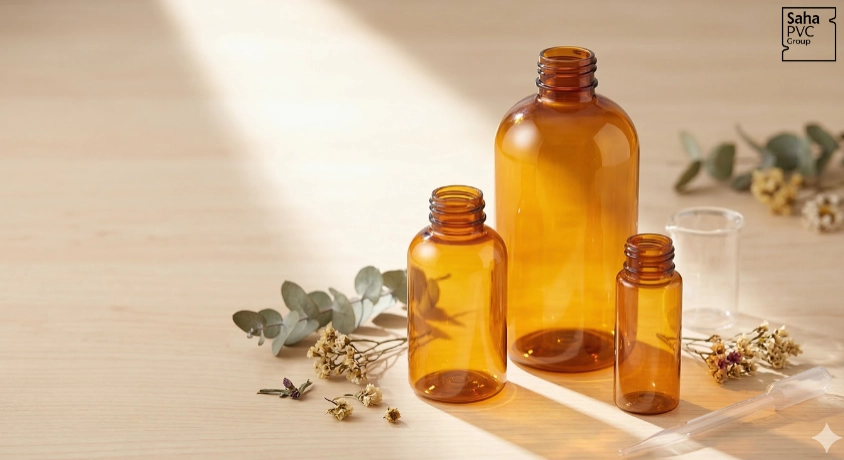
Why Amber PET is #1 for Pharmaceuticals & Herbs: Superior UV Blocking, Lightweight, and Better Value Than Glass.
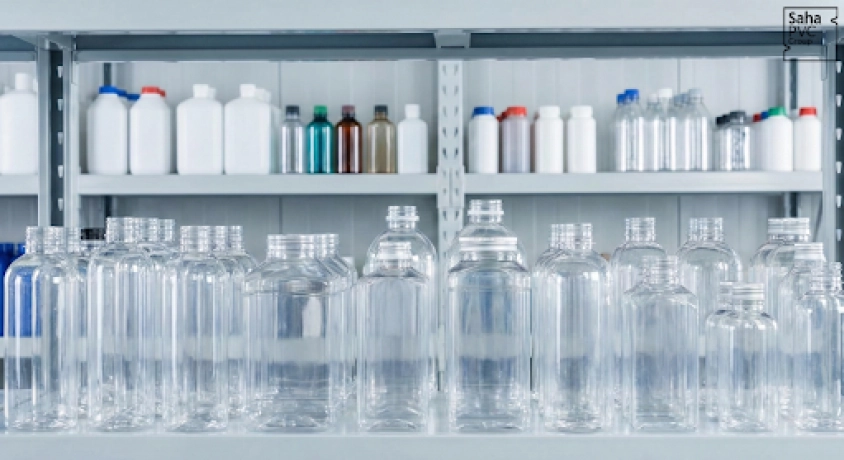
4 Most Popular Plastic Bottles and How to Choose a Certified PET Factory: Click to Upgrade Your Brand!
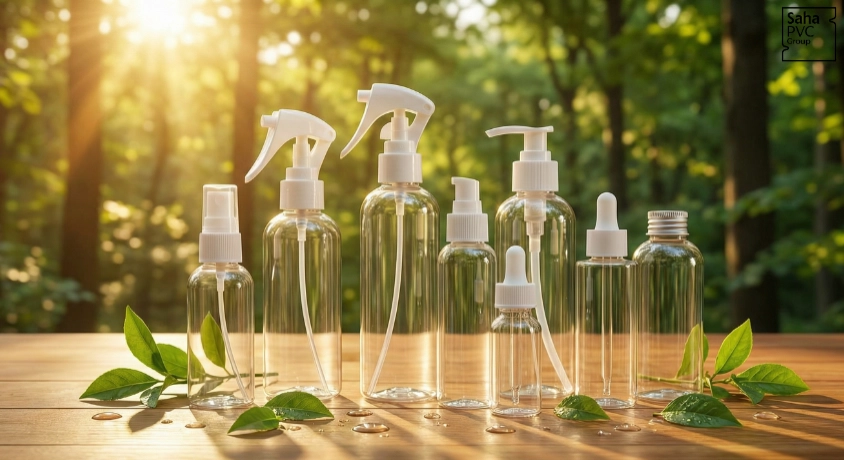
Eco-Friendly Packaging: A New Option for Businesses in the Green Economy, with Tips on Choosing Environmentally Friendly Plastic Bottles to Elevate Your Brand Sustainably
.webp)
What is the difference between PP and PE plastic? PP is heat-resistant, while PE is flexible. Discover the differences between plastics No. 2, 4, and 5, and answer questions about whether or not PET Hot-Fill bottles can actually withstand heat.
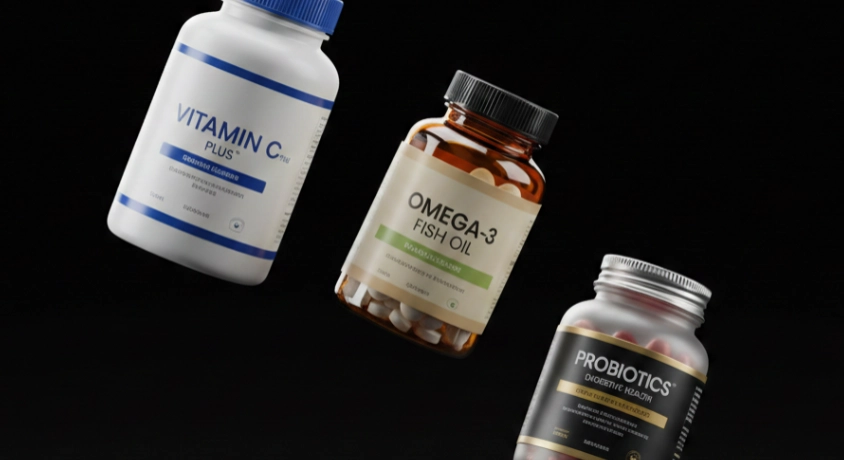
High-Quality Plastic Bottle Packaging from Saha PVC (1980) The No.1 Plastic Bottle Manufacturer and Leading Factory for Wholesale Plastic Packaging and Supplement Jars


SAHA P.V.C.(1980) COMPANY LIMITED.
Manufacturing Leader of Plastic Packaging
for pharmaceuticals that provides quality services
and standardized production systems to our customers.


.webp)