Eco-Friendly Packaging: A Deep Dive into Sustainable Plastic Bottle Options for Your Business
In today’s market, consumers no longer make purchasing decisions based solely on “quality” or “price.” Environmental responsibility has become a key factor in brand selection. Research from multiple sources indicates that modern consumers are willing to pay more for products that use environmentally friendly packaging.
This is why eco-friendly packaging is no longer just a passing trend—it is a critical strategy for businesses that want to survive and grow sustainably in the future. This article will introduce you to green packaging innovations, especially alternative plastic bottles that can enhance your brand image while supporting environmental goals.
If you’re wondering what eco-friendly packaging is, the simplest definition is: packaging designed and produced with consideration for environmental impact throughout its entire life cycle—from raw material selection, manufacturing, and transportation to disposal or reuse.
Eco-friendly packaging typically focuses on three core principles:
Reduce: Use fewer resources in production (e.g., lightweight plastic bottles that maintain strength).
Reuse: Design packaging that can be used multiple times.
Recycle: Use materials that can be fully recycled or made from recycled content.
Adopting eco-friendly packaging is not just about CSR (Corporate Social Responsibility); it delivers direct business benefits:
Brand Differentiation: On crowded shelves, products labeled as environmentally friendly tend to attract more attention and create stronger impressions.
Increased Brand Value: Eco-conscious brands are perceived as forward-thinking and trustworthy.
Future Regulatory Advantage: Many countries are introducing plastic taxes and stricter regulations—early adopters gain an edge.
Appeal to Gen Z and Millennials: These high-purchasing-power groups prioritize sustainability.
Many people assume that “plastic” is always harmful. In reality, modern plastic innovation has advanced significantly, offering high-quality eco-friendly packaging options such as:
This is the #1 choice among global beverage brands. rPET is made by collecting, sorting, cleaning, and remelting used PET plastic into food-grade material.
Advantages:
Reduces the use of virgin plastic
Lowers carbon emissions
Supports circular economy goals
Best for: Beverages, cosmetics, and eco-friendly liquid products
Made from natural raw materials such as corn, sugarcane, or cassava.
Advantages:
Industrially compostable under proper conditions
Plant-based origin
Best for: Short-lifecycle products or certain food packaging applications
Commonly used for opaque bottles such as liquid soap or shampoo. When designed without complex color mixing, HDPE bottles are highly recyclable.
Advantages:
Strong and chemical-resistant
Highly compatible with circular economy systems
If you are a brand owner looking for sustainable packaging, follow these selection guidelines:
Check the material type: Choose mono-material plastics for easier recycling.
Look for recycling symbols: Clear labeling helps consumers sort waste correctly.
Minimal design: Avoid overly strong adhesive labels; consider direct printing with eco-friendly inks (e.g., soy ink).
Packaging weight: Choose lightweight bottles to reduce resource use and transportation costs.
Reliable manufacturer: Ensure the factory holds recognized standards such as ISO or environmental certifications.
Q: Is eco-friendly packaging more expensive than conventional plastic?
A: Initially, costs may be about 5–15% higher. However, considering customer loyalty and reduced regulatory risk, it is a highly worthwhile investment.
Q: Is rPET safe for food and beverage packaging?
A: Yes—when certified food grade by relevant authorities (e.g., FDA or EFSA), rPET undergoes molecular-level cleaning processes and is safe for use.
Q: Where should I start looking for eco-friendly packaging suppliers?
A: Choose manufacturers with proven expertise in eco-packaging and a wide range of bottle options for comparison.
Choosing eco-friendly packaging is not merely about following trends—it represents a business commitment to sustainable growth and a better planet. Adopting green packaging solutions such as rPET bottles or other sustainable plastic options helps build customer trust and creates long-term competitive advantage.
If you want to elevate your business with packaging that is both attractive and environmentally responsible, now is the time to start exploring new options for your brand’s future.
What is BPA-Free? Clearing up the facts about BPA-Free plastics, the dangers of BPA, and how to avoid it for better health. Interested in safe packaging? Consult SAHA P.V.C. (1980) Co., Ltd.
Looking for stylish shampoo bottles or hotel amenities? Discover top tips for choosing durable empty shampoo bottles, along with recommendations for wholesale manufacturers offering great value to elevate your brand.
How to Choose the Perfect Supplement Packaging: Food-Grade Plastic Guide! Compare Cylindrical vs. Clear Jars to Find Your Brand’s Best Match.
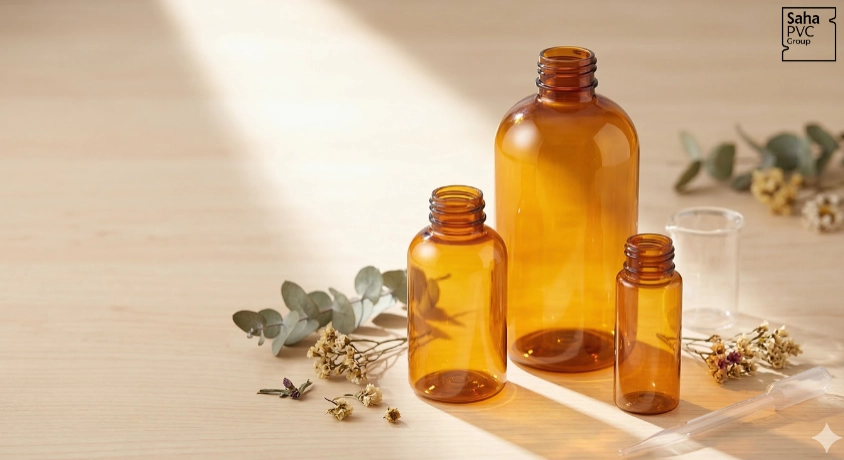
Why Amber PET is #1 for Pharmaceuticals & Herbs: Superior UV Blocking, Lightweight, and Better Value Than Glass.
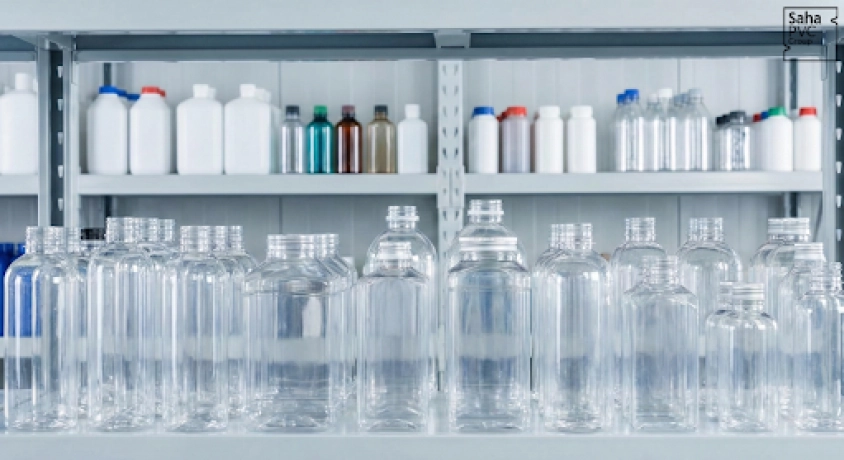
4 Most Popular Plastic Bottles and How to Choose a Certified PET Factory: Click to Upgrade Your Brand!
_3.webp)
How Much Heat Can PET Bottles Really Withstand? An In-Depth Look at Temperature Limits: Standard PET (60-70°C) vs. Hot-Fill PET (Up to 95°C) for Safe Packaging Selection.
.webp)
What is the difference between PP and PE plastic? PP is heat-resistant, while PE is flexible. Discover the differences between plastics No. 2, 4, and 5, and answer questions about whether or not PET Hot-Fill bottles can actually withstand heat.
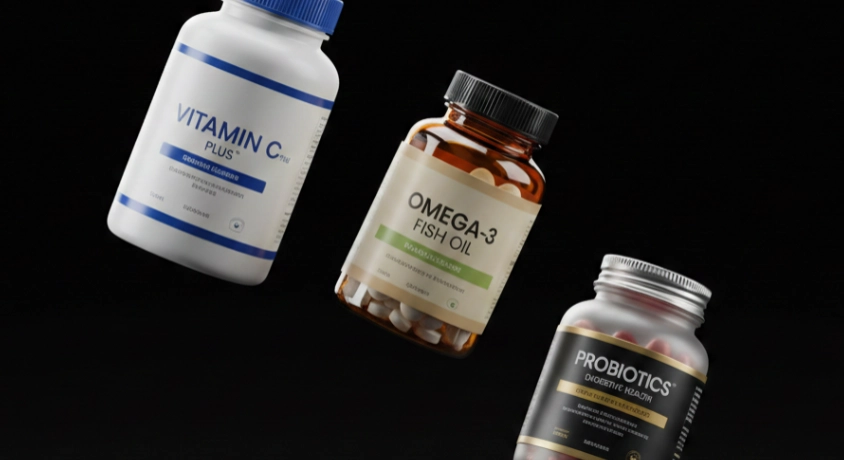
High-Quality Plastic Bottle Packaging from Saha PVC (1980) The No.1 Plastic Bottle Manufacturer and Leading Factory for Wholesale Plastic Packaging and Supplement Jars


SAHA P.V.C.(1980) COMPANY LIMITED.
Manufacturing Leader of Plastic Packaging
for pharmaceuticals that provides quality services
and standardized production systems to our customers.

